Showing posts with label Symmetry. Show all posts

Wednesday, 31 October 2018

Rose windows

Santa María de Regla Cathedral, León (1205-1301, Spain)
  
Rose window is a word used to describe a round window design, which is similar to the many petals of a rose. Most often the term is used to describe the round windows of some churches, especially those built in Gothic style. (Kiddle)

Stained glass is glass coloured by adding metallic salts when it is made. The coloured glass is made into stained glass windows. Small pieces of glass are arranged to form patterns or pictures. The glass is held together by strips of lead and supported by a rigid frame.

Painted details and yellow stain are often used to improve the design. The term stained glass is also applied to windows in which the colours have been painted onto the glass and then fused to the glass in a kiln. Stained glass is much used in Christian art but other themes are not rare. It is still popular today, and often called art glass. It is often used in luxury homes and commercial buildings. (Kiddle)

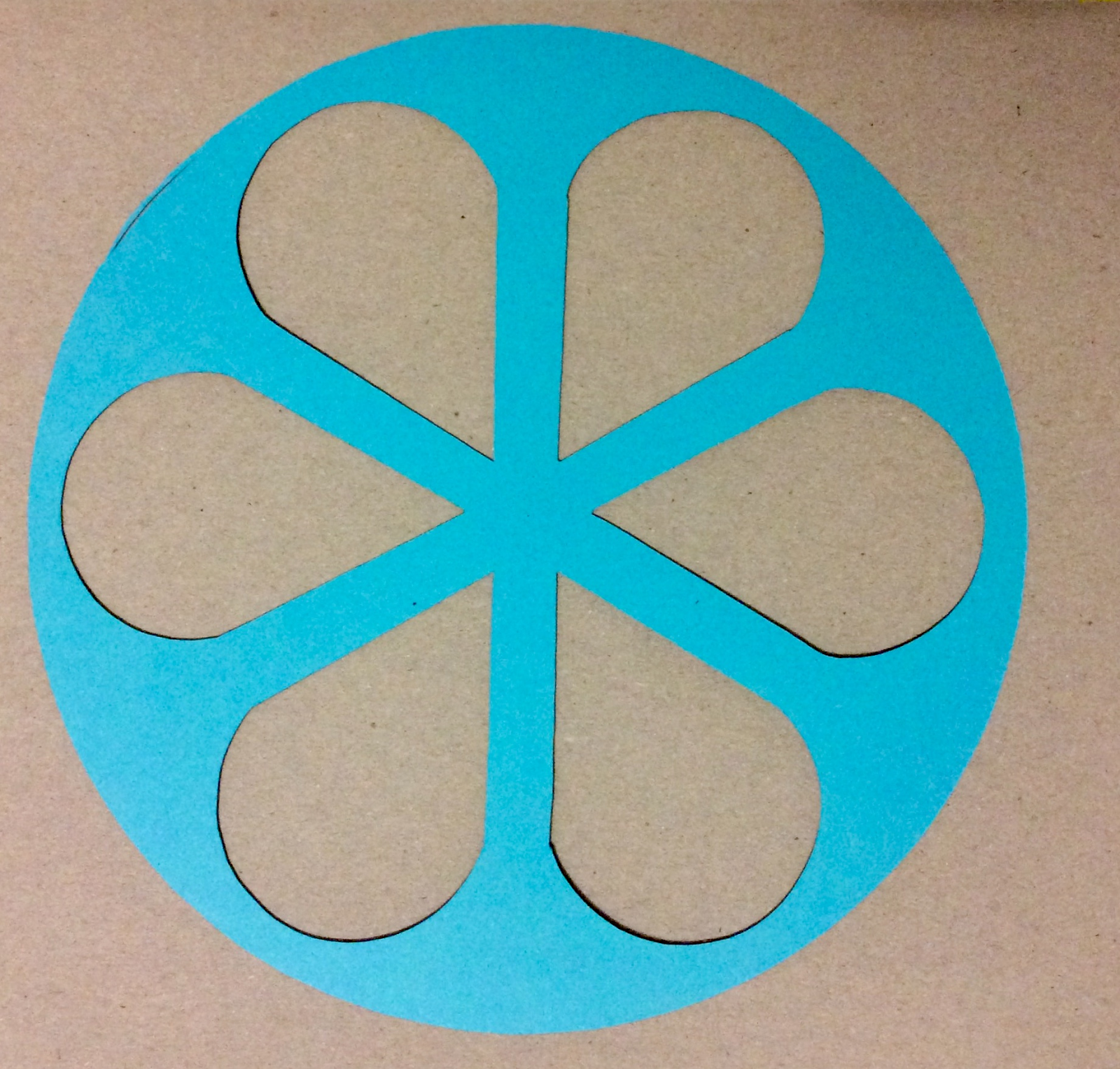
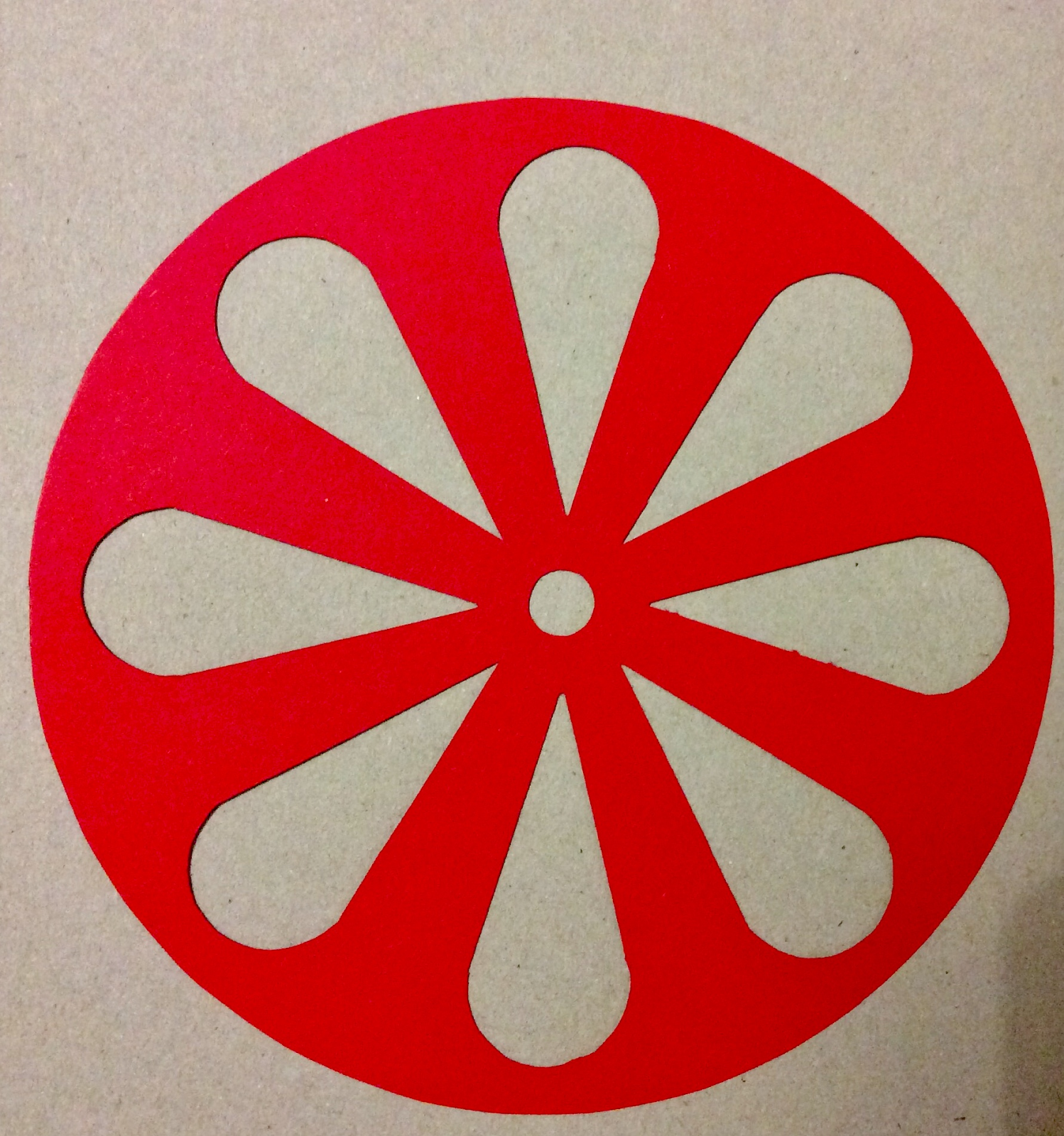
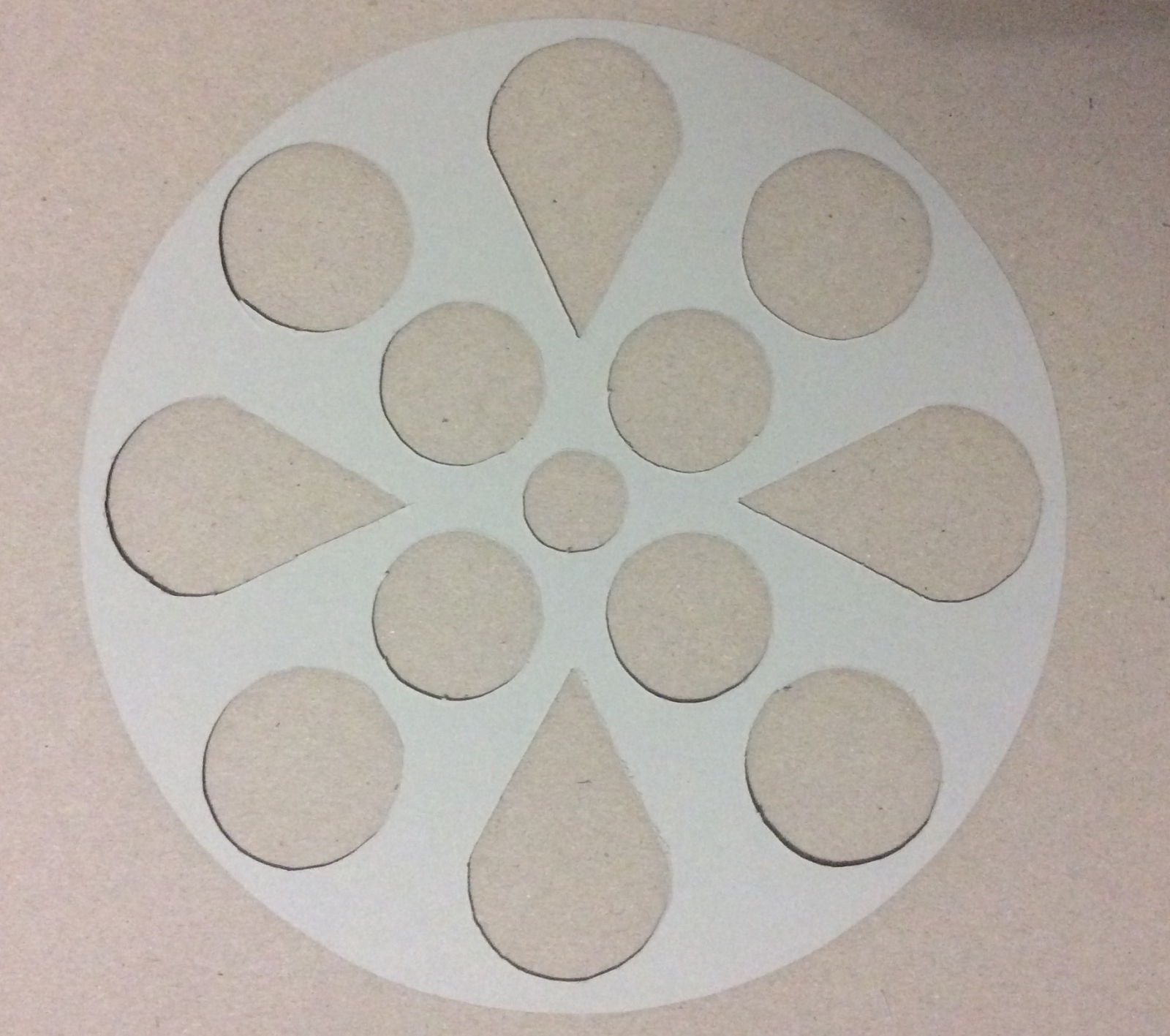
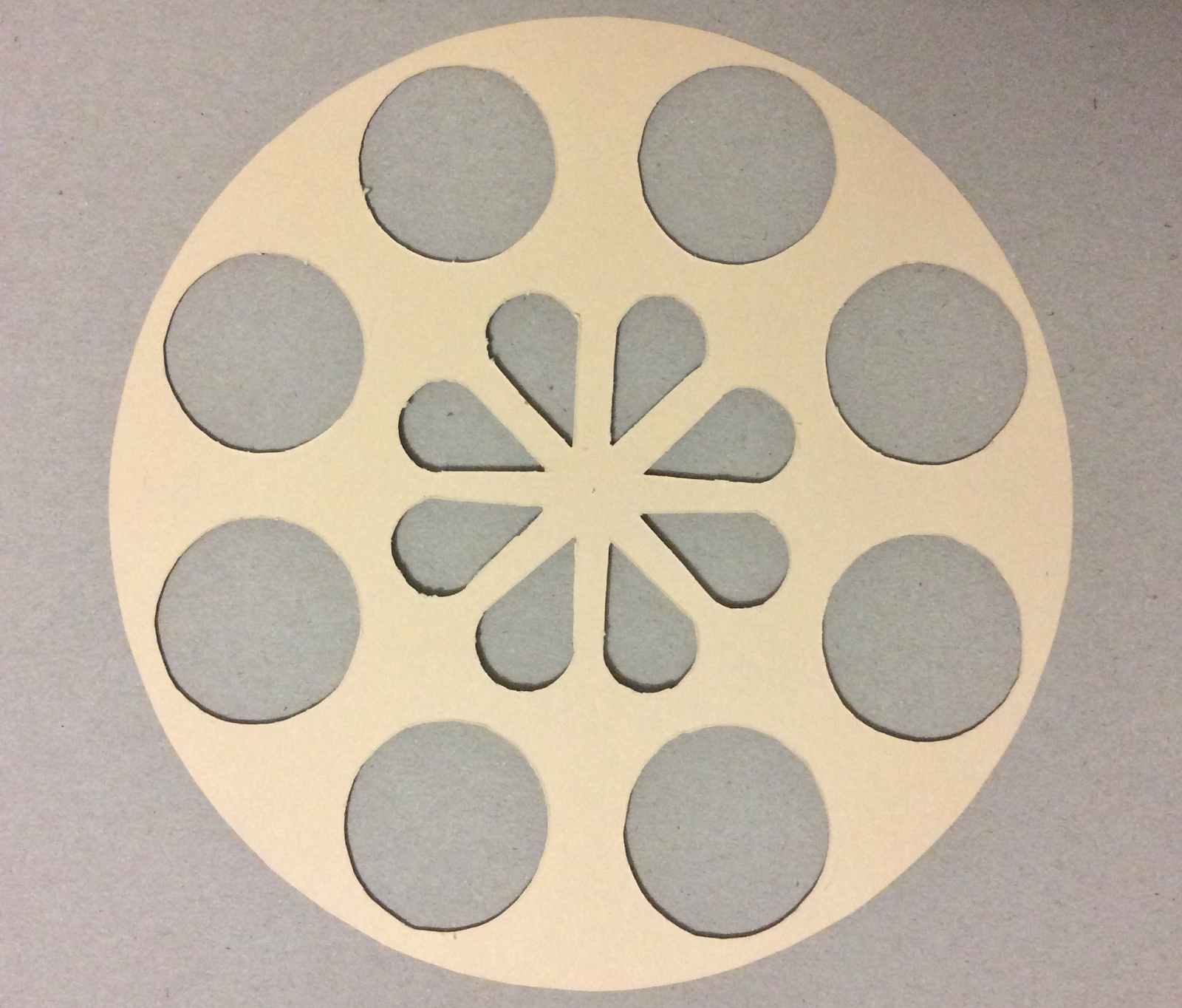
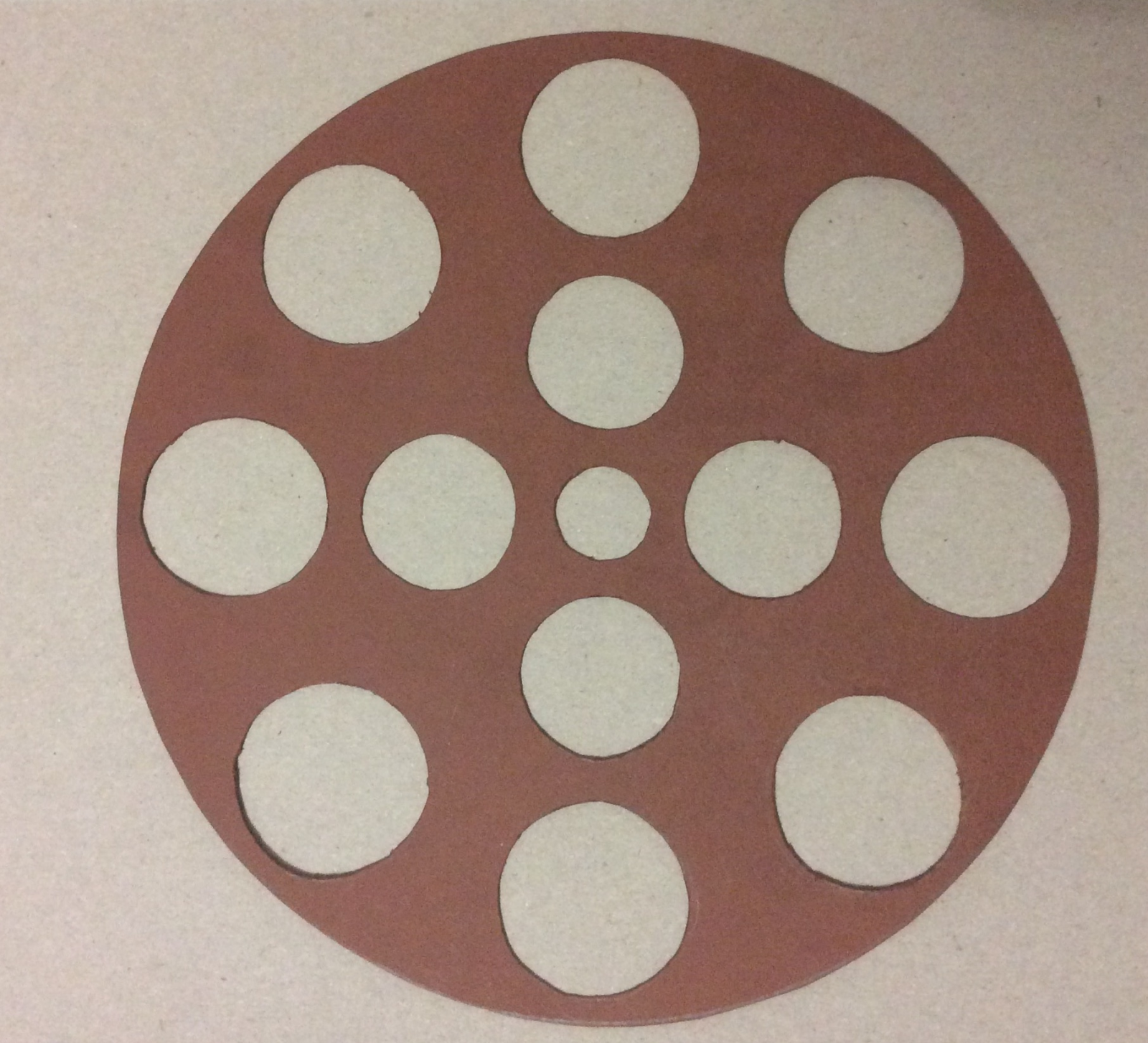
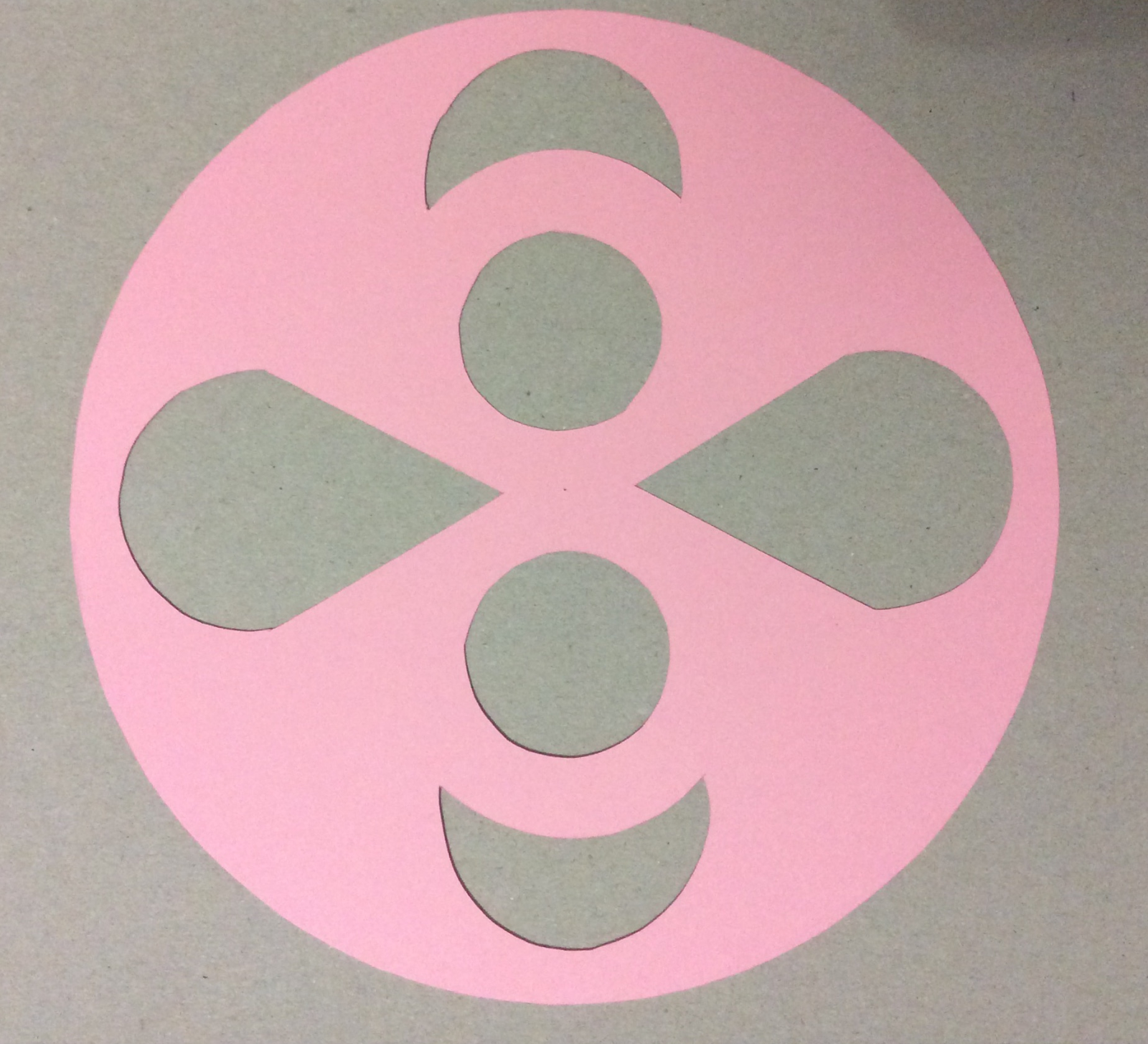
These are some designs that you can use to create your own rose window.


Thursday, 26 November 2015

Christmas Postcards

Let's practise all we have learnt about symmetry to make some nice postcards for Christmas.

Sandra N.

Aranzazu O.


Thursday, 19 November 2015

Monoprint


Monoprinting is a form of printmaking. The characteristic of this method is that no two prints are alike, unlike most printmaking, where there are multiple originals.


  EXERCISE:
         1. Each student will draw a picture on an acetate with tempera.
         2. Press the acetate onto the paper. The paint will be transfered to the white paper. I recommend you not to wait till the colors are dry.

Rosa Maria R.

Alicia

Tuesday, 10 November 2015

Cut out symmetric shapes.

See how easy is to have a nice symmetric shape with the following method!!!
  1. Cut a piece of paper. It's better if it's a rectangle.
  2. Draw half of the shape on the paper
  3. Cut out the piece drawn
  4. Glue both pieces on a another paper.

Saturday, 14 February 2015

Monday, 13 January 2014

Symmetry and printing.

Today we are going to work with symmetry and temperas. 

The material we will need is:
  • Temperas
  • Paper
  • Brushes
Important: You can only paint on one side of the paper. If the tempera got dry, paint again on the same spot, never on the stamped one. The interesting effect is to see the difference between one side and the other.

1. You will fold your paper in half, and then draw just the half of an image on it. Before the tempera dries you will fold the paper and press, so the tempera will transfer to the other half of the paper and make a whole image!!!
Pau
Joan P.
Ainoha R.

Tuesday, 12 November 2013

Kaleidoscope.

Create your own Kaleidoscope using this application:


What is a Kaleidoscope? 
     It is a cylinder with mirrors containing loose, colored objects such pebbles and bits of glass. As the viewer looks into one end, light entering the other creates a colorful pattern, due to the reflection off of the mirrors. (Wikipedia)


Monday, 12 August 2013

Do you know about Symmetry?

Do you know about Symmetry? it's a game to test you on Symmetry.


GOOD LUCK!!!

Sunday, 14 July 2013

Working with ... Radial symmetry

    
Students have to finish the satined glass following the radial symmetry.


And then, colour the composition once finished drawing and inking it (0'8).
 
Aike Riera


Ting


Damià V.


Thursday, 26 July 2012

Working with ... Axial symmetry

On this first example students have to draw 6 symmetric shapes and then colour them using opposite colours.

Axial symmetry
On the web there are plenty examples and works to finish using symmetry as a theme.


Javi

Working sheet

Thursday, 2 February 2012

Shape. Symmetry

 Questions 
  1. Why learn about symmetry? 
  2. What do you notice about shapes or designs that have symmetry?
  3. Does it make a difference if the line of symmetry is vertical or horizontal? Why or why not?
  4. Locate two objects in the classroom: one that has symmetry and one that has not. Explain the differences.
-->   Symmetry is perhaps most familiar as an artistic concept than a math concept. Designs are said to be symmetric if they exhibit specific kinds of balance, repetition an harmony.


Think of the form of a butterfly; its right and left halves mirror each other. If you knew what the right half of a butterfly looked like, you could construct the left half by reflecting the right half over a line that divides the butterfly.
A line of symmetry divives a figure into two halves that are the mirror images of each other.
See the difference between both trees.


Types of symmetry_____________________________________________

Plane symmetry involves moving all points around the plane so that their positions relative to each other remain the same, although their absolute positions may change. Symmetries preserve distnces, angles, sizes, and shapes.
  • Rotation by 90 degrees about a fixed point is an example of a plane symmetry.
  • Reflection of a figure is when seen in a mirrow or atransparent surface. Another way to make a reflection is to fold a piece of paper and trace the figure onto the other side of the fold.
  • Traslation it is like moving the shape over and it is exactly the same the whole time. It just repeats and repeats.


1. Reflexion symmetry__________________________________________
  Miror symmetry is present whenever an object or design can be broken down into two parts, one of which is the reflection of the other.


Reflection symmetry is quite common in nature and art.


2. Rotational symmetry_______________________________________
      An object that has rotational symmetry will appear unchanged if rotated through an angle. A circle can be rotated any amount and still look like a circle, but most objects can be rotated only by some specific amount, depending on the design.


To know more about symmetry click here. If you want to play chek this: Game. Try it!

Exercises____________________________________________________________
  1. Make strings of paper dolls or snowflakes by cuttinh a strip of folded paper to show an easy way of creating symmetry. There is a program that allows you to create your own snowflake.
  2. Answer the questions in your woorksheet after watching this Power Point Presentation: Symmetry/yrtemmyS
  3. Exercises with axial symmetry.
  4. Exercices with radial symmetry.
  5. Working with your name
Teachers_____________________________________________________________