Showing posts with label Art/Art History. Show all posts

Tuesday, 9 December 2025

The museum is alive!!!

 What happens when the works of arts weak up?

Surprise!!!

Keith Lissner creates a funny video with AI with Works of arts from the Musee d'Orsay Click on the link to watch it: https://www.instagram.com/reel/DJ1W20wuJyK/


Tuesday, 25 November 2025

UNESCO Virtual Museum of stolen culural objects


UNESCO has launched the Virtual Museum of Stolen Cultural Objects, the first of its kind worldwide. An immersive digital space that brings together over 240 stolen and missing cultural objects in 2D and 3D from 50+ countries — and the voices of the communities they were taken from.

More than a museum, it’s a tool to:
🔹 Raise awareness about illicit trafficking
🔹 Support stronger protection policies
🔹 Promote provenance research
🔹 Foster cooperation for restitution

Created by Francis Kéré, Pritzker Prize-winning architect, with the generous support of Saudi Arabia and in partnership with INTERPOL


Thursday, 21 November 2024

Have you ever found yourself in a work of art?

It is said that we do have a double of us somewhere or in anither life!! 


Whatch the following video and you will be as surprise as the people in the pictures. :)


Wednesday, 17 June 2020

Friday, 22 May 2020


A great place to learn about Comic

   Welcome to the Comiclopedia, an illustrated compendium of over 13,900 comic artists from around the world. Find your favorite artists, or discover new ones!
    Online since 1 November 1999, the Comiclopedia is the world's largest overview of comic artists, and the brainchild of comic shop Lambiek's founder Kees Kousemaker (1942-2010). Kees was at the vanguard of promoting comics as art, and both the Lambiek store and the website are continuing in his spirit. The editors of the Comiclopedia are Bas Schuddeboom and Kjell Knudde.

Wednesday, 22 April 2020

Traditional African Masks


    Traditional African masks are one of the elements of great African art that have most evidently influenced Europe and Western art in general; in the 20th century, artistic movements such as cubism, fauvism and expressionism have often taken inspiration from vast and diverse heritage of African masks. Influences of this heritage can also be found in other traditions such as South- and Central American masked Carnival parades.(Wikipedia)
  Activities:
  1. Online search information about African Masks.
  • The function of an Afrikan Mask.
  • The materials and techniques.
  • The use of pattern and symmetry.
  • The sahape and different styles.
Handmakery

  2. Create your own personal mask.  Once that you have made a research on traditional african masks, its time you create your own personal mask. The activity will be done with collage technique. 

      Material:
      - Cardboard, paper plates, etc.
      - Glue 
      - Pair of Scissors
      - Paint (tempera, crayons, etc.)
      - Paintbrush
    -Any material that you have at home for recycling use (newspapers, magazines, cord, etc.)

     Interesting links in internet:
        · Afrikan Mask Lessons by Artfaktory
        · Free African Mask Clip Art
        · Handmakery: Masks in the making


My students works of art

Gonzalo Moreno, Marta Bordoyr, Adam Martínez, Azul Aguila and Alba García

Tuesday, 7 April 2020

Giuseppe Arcimboldo

   Giuseppe Arcimboldo (1526 or 1527 – 11 July 1593) was an Italian painter best known for creating imaginative portrait heads made entirely of objects such as fruits, vegetables, flowers, fish and books.


    These works form a distinct category from his other productions. He was a conventional court painter of portraits for three Holy Roman Emperors in Vienna and Prague, also producing religious subjects and, among other things, a series of coloured drawings of exotic animals in the imperial menagerie. He specialized in grotesque symbolical compositions of fruits, animals, landscapes, or various inanimate objects arranged into human forms." (Wikipedia)


Now it is your turn to create a portrait.


Friday, 12 April 2019

Art and texture

You will be given a copy of an art materpiece to create your own artwork. Use all the material you have available that are easy to glue on the paper.
Let your creativity fly!!


Thursday, 14 February 2019

Love

On this Valentine's day we will comment the following works of art:
  1. Describe de image.
  2. What do you think it's the story behind the picture or the sculpture?
  3. What makes you feel?
Kiss V, Roy Lichtenstein. 1964
The kiss, August Rodin. 1889

The kiss, Gustav Klimt. 1907-08

Sunday, 25 November 2018

Artemisa Gentileschi

To commemorate the 25th of Novembre, the International Day for the Elimination of violence against women, we will learn about a great Baroque painter: Artemisia Gentileschi.

Artemisia Gentileschi, (born July 8, 1593, Rome; died 1652/53, Naples), Italian painter, daughter of Orazio Gentileschi. She was a pupil of her father and of his friend the landscape painter Agostino Tassi.

Adoration of the Magi. 1936-37
   "Women didn't have many career options in 17th-century Italy. Cultural norms funnelled most of them into one of two life paths: joining a convent or becoming a mother. What's more, laws dictated that the men in their lives (fathers, husbands, even sons) made decisions and purchases for them.

   Few women transcended these restrictions. But the skillful, strong-willed painter Artemisia Gentileschi managed to -against all odds. During her lifetime, from the late 16th-century until mid-1600s, she built a reputation as one of Europe´s most sought-after artists. Rich patrons, like the Medicis, and preeminent kings, like Charles I of England, commissioned her to create massive, expertly modeled compositions, chock full of her signature subjects: biblical and mythological scenes depicting assertive, authoritative women.
Judith and her maidservant. 1913-14


            Despite all of this, though, Gentileschi's legacy has been hard-won. After her death, 18th- and 19th-century scholars all but omitted her from art historical texts. Even when her work was rediscovered, in the early 20th century, literature on it was plagued with misattributions and overly sexualized interpretations that focused on Gentileschi’s assault rather than her artistry. 
   Despite these hurdles, the artist has more recently risen to the top of the canon as one of the first female artists to have a broad, incisive impact on the art of her time. She’s also influenced decades of artists after her—especially those looking for a masterful and tenacious heroine." (artsy)
  

Wednesday, 31 October 2018

Rose windows

Santa María de Regla Cathedral, León (1205-1301, Spain)
  
Rose window is a word used to describe a round window design, which is similar to the many petals of a rose. Most often the term is used to describe the round windows of some churches, especially those built in Gothic style. (Kiddle)

Stained glass is glass coloured by adding metallic salts when it is made. The coloured glass is made into stained glass windows. Small pieces of glass are arranged to form patterns or pictures. The glass is held together by strips of lead and supported by a rigid frame.

Painted details and yellow stain are often used to improve the design. The term stained glass is also applied to windows in which the colours have been painted onto the glass and then fused to the glass in a kiln. Stained glass is much used in Christian art but other themes are not rare. It is still popular today, and often called art glass. It is often used in luxury homes and commercial buildings. (Kiddle)

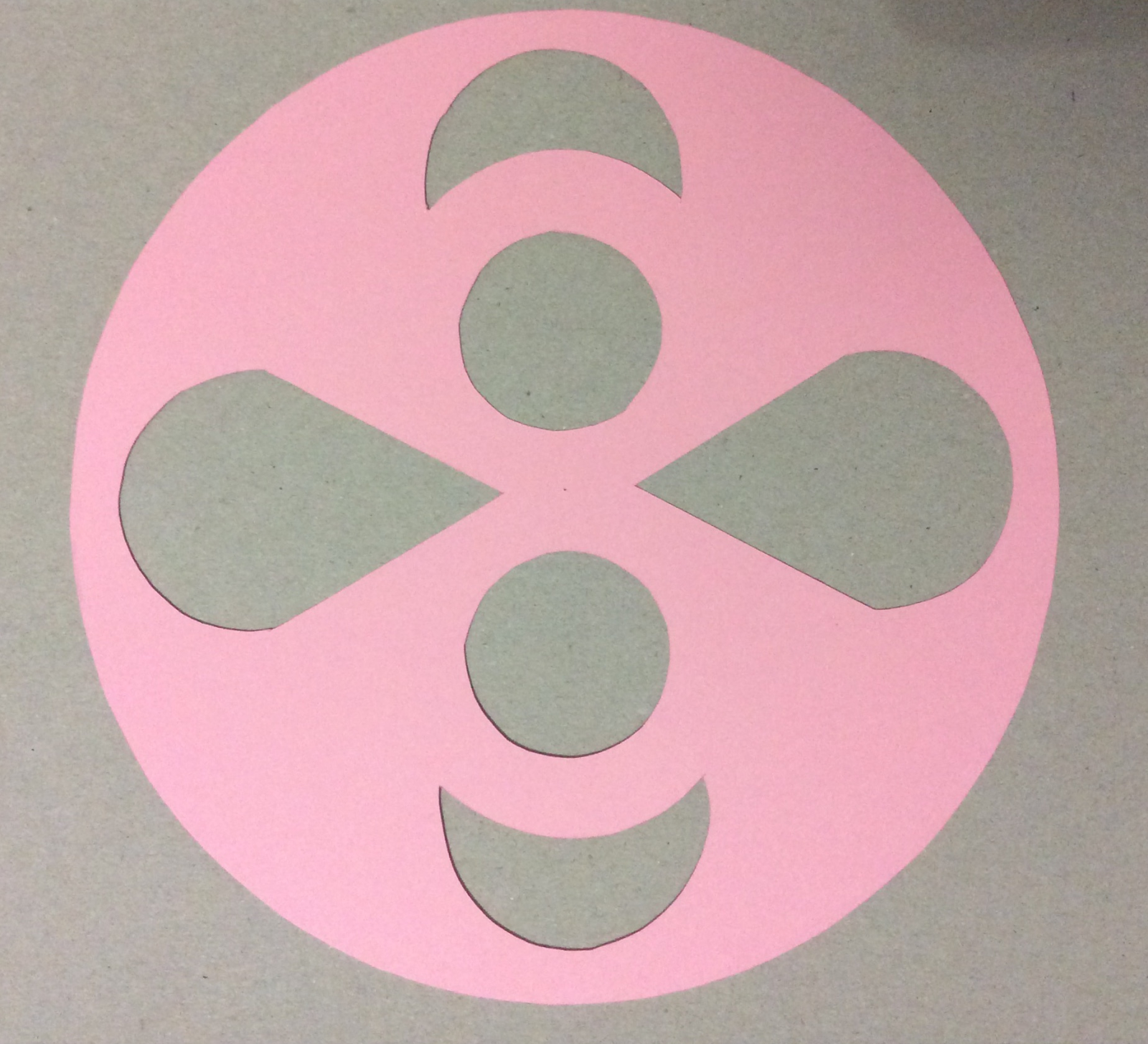
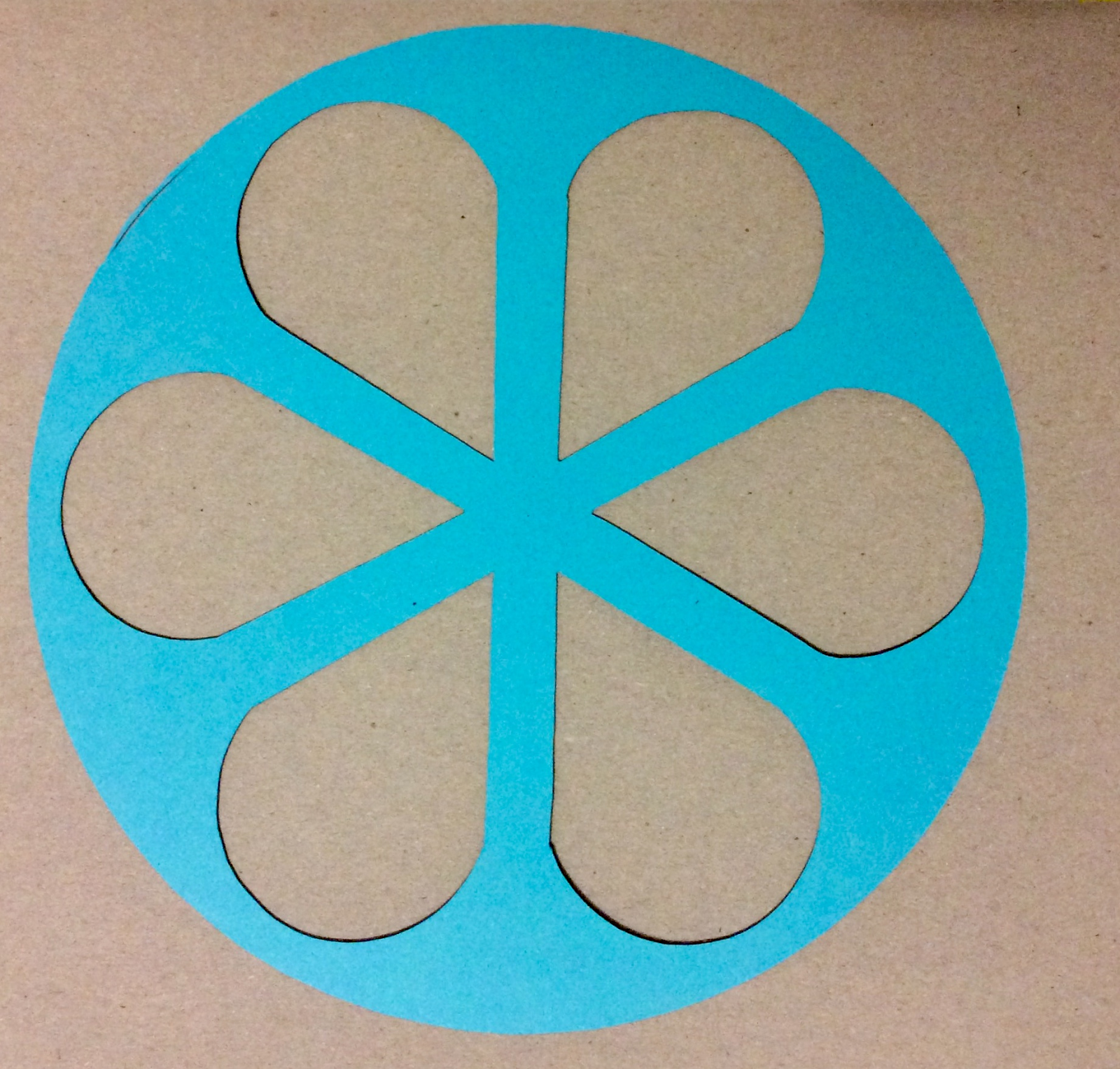
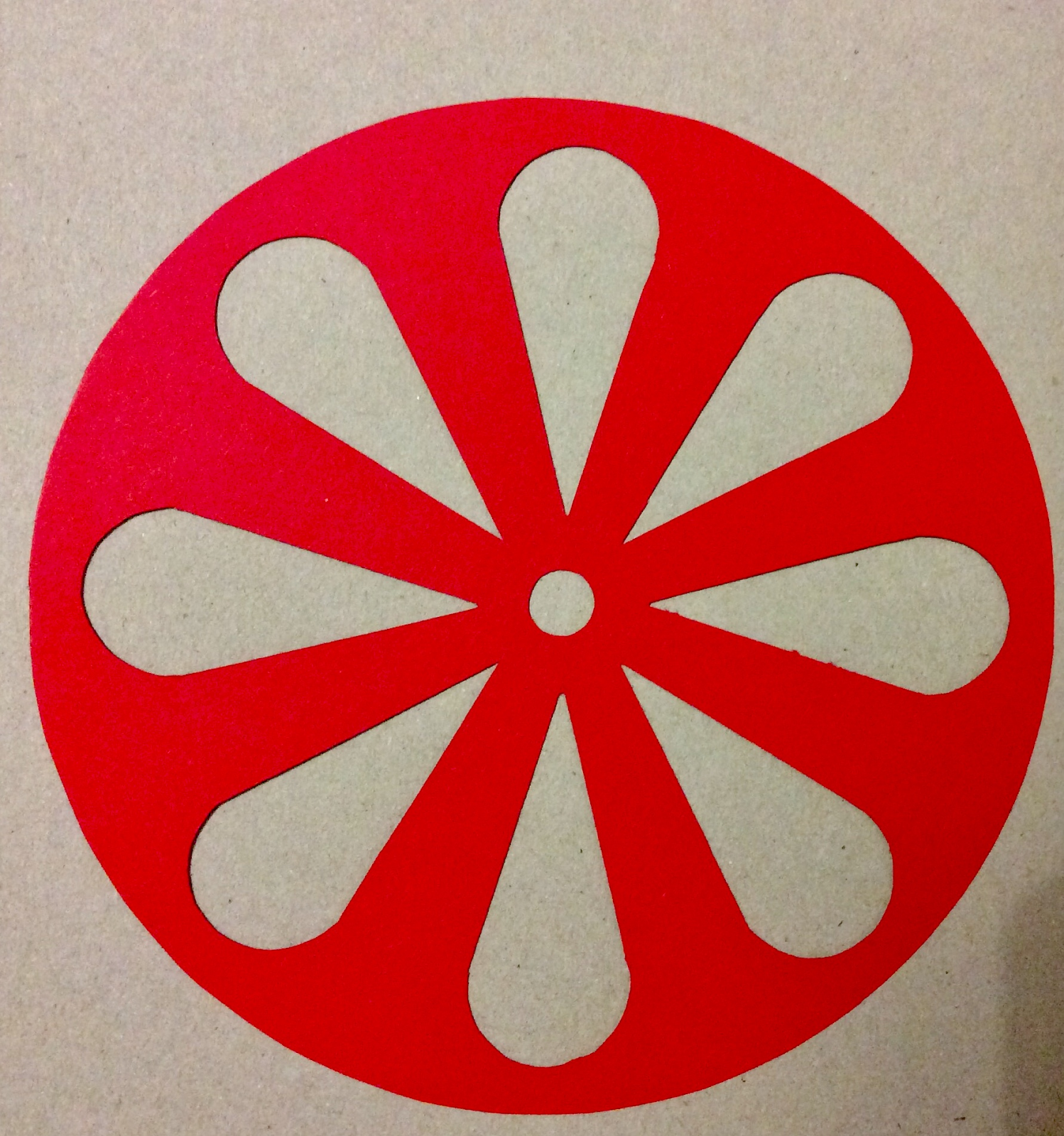
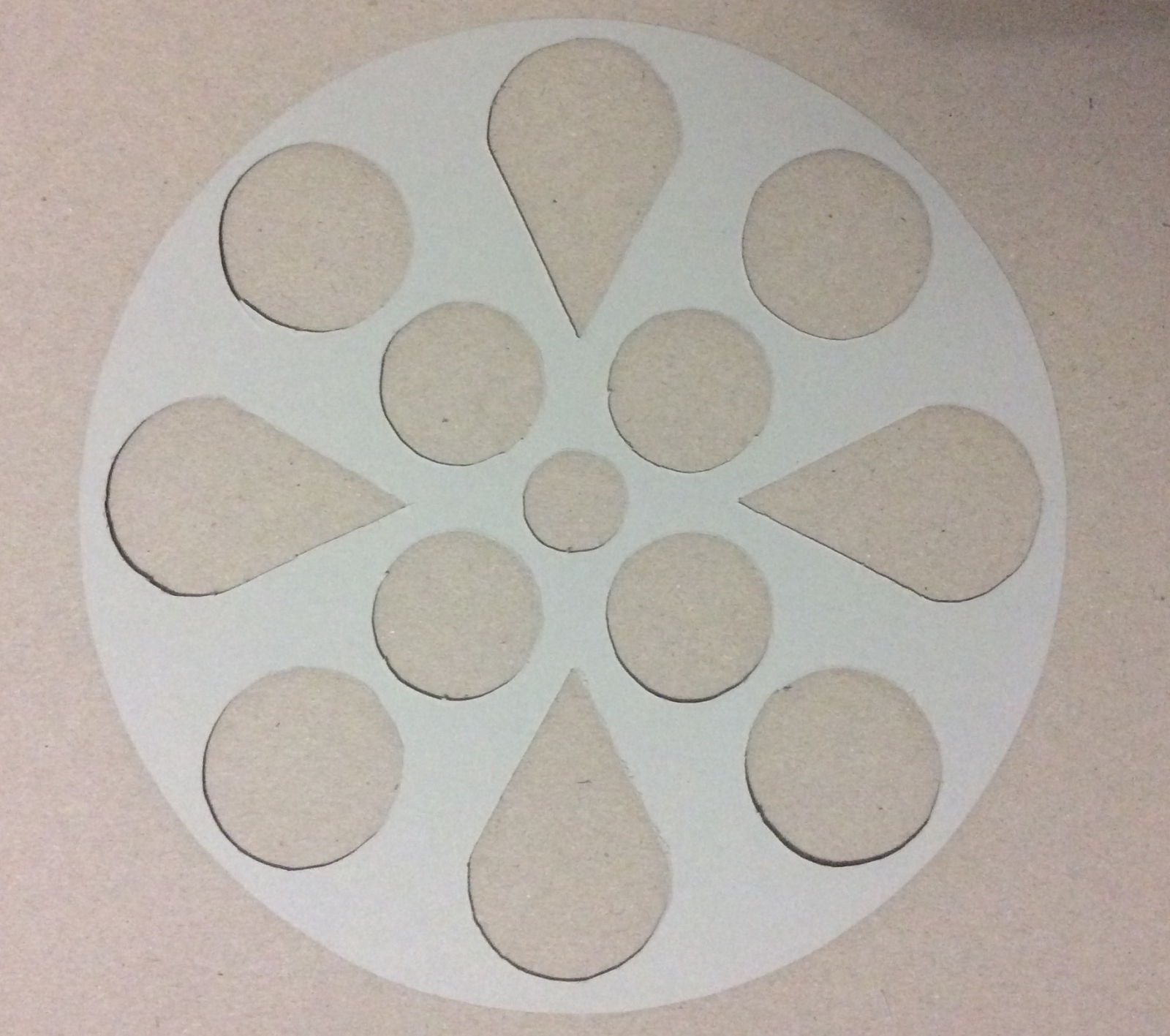
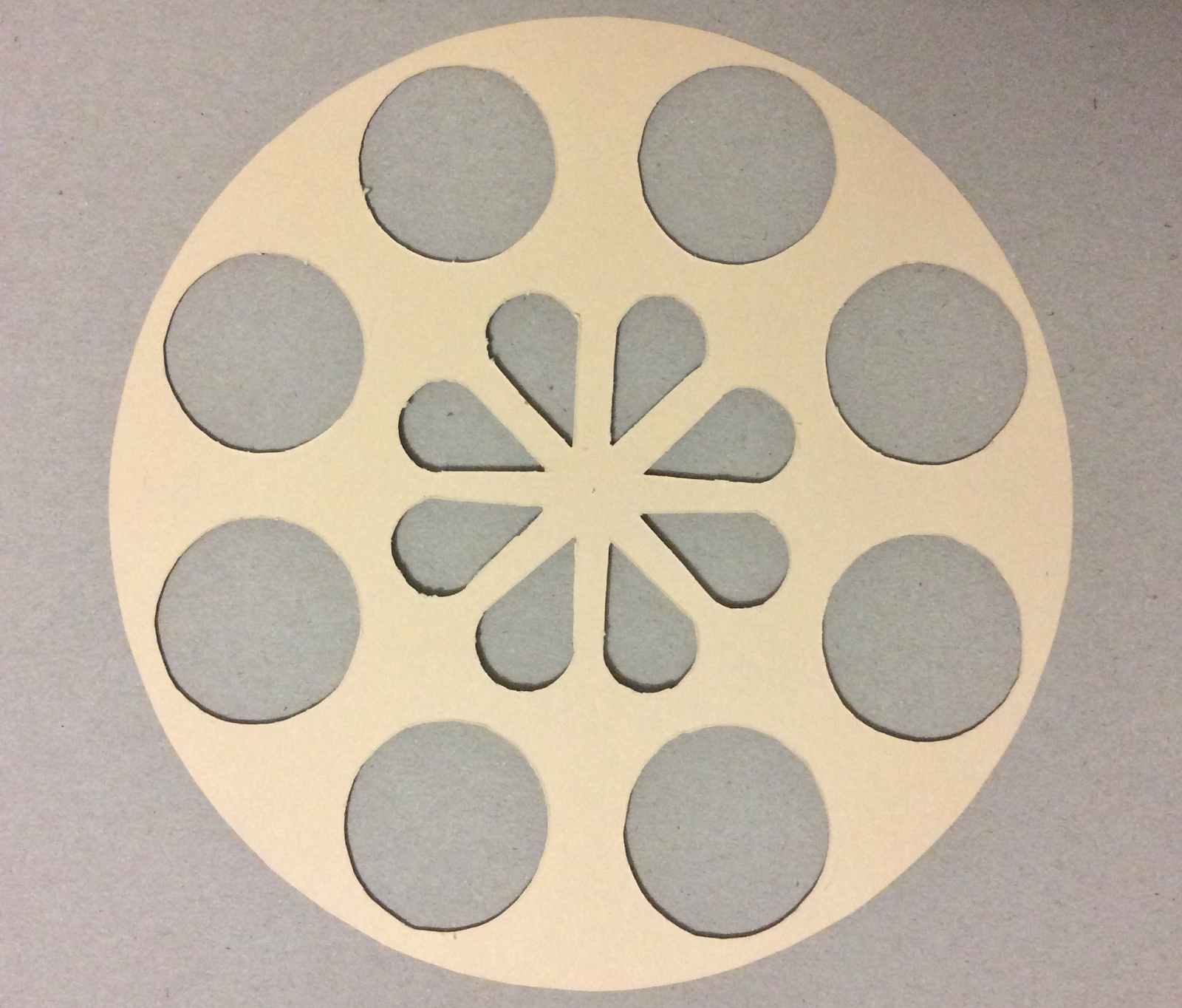
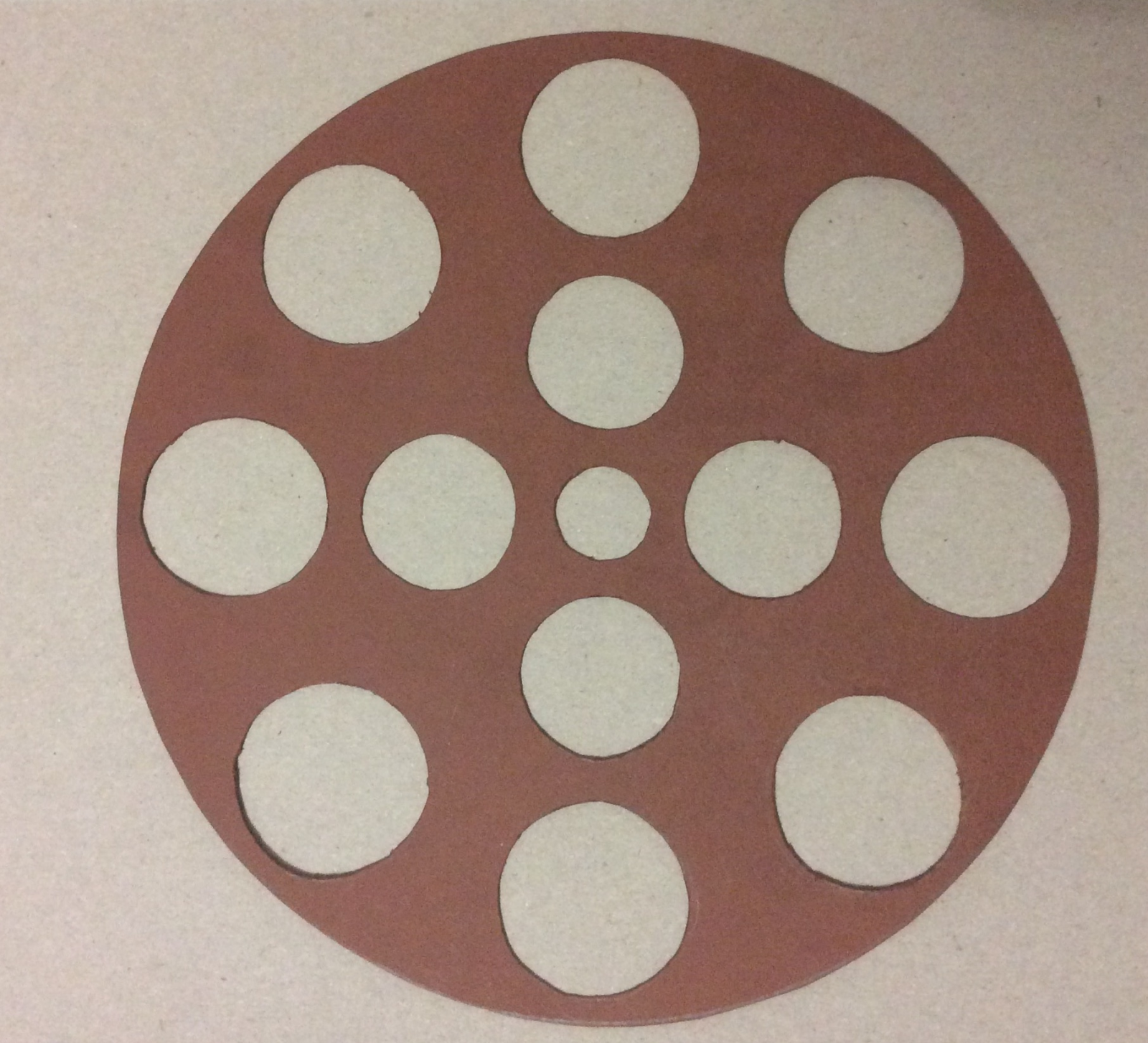
These are some designs that you can use to create your own rose window.


Thursday, 21 September 2017

flashmob: Rembrandt


   A Flashmob recreates Rembrandt's painting, The Nightwatcher, in a Dutch shopping mall.
   A culturally-minded group staged a high-art flashmob to celebrate the return of Rembrandt Van Rijn’s famous painting The Night Watch to the Rijksmuseum in Amsterdam.

 
The nightwatch by Rembrandt


    Rembrandt’s painting was completed in 1642 and depicts Captain Frans Banning Cocq and his lieutenant, Willem van Ruytenburch, leading out their city guard. The Rijksmuseum is due to reopen on April 13th following a 10-year renovation.


Wednesday, 11 January 2017

Are the humans the only ones from the animal spiecies capable of making artworks?
Let's see...

Monday, 5 September 2016

Woking with... colour

What happens when we change the colours of a drawing. Do we still get the same feeling?

These are the real colours.

Any colour you want.

Colours from the same spectrum.
EXPRESSIONISM (Germany, 1905-1933)
Expressionism emerged simultaneously in various cities across Germany as a response to a widespread anxiety about humanity's increasingly discordant relationship with the world and accompanying lost feelings of authenticity and spirituality.
  1. The arrival of Expressionism announced new standards in the creation and judgment of art. Art was now meant to come forth from within the artist, rather than from a depiction of the external visual world, and the standard for assessing the quality of a work of art became the character of the artist's feelings rather than an analysis of the composition.
  2. Expressionist artists often employed swirling, swaying, and exaggeratedly executed brushstrokes in the depiction of their subjects. These techniques were meant to convey the turgid emotional state of the artist reacting to the anxieties of the modern world.
Drei Pferde, Franz Marc. 1912
Fränzi in front of carved chair, Ernst Ludwig Kirschner. 1910

Thursday, 10 March 2016

Paul Klee

      Paul Klee (18 December 1879 – 29 June 1940) was a Swiss-German painter. His highly individual style was influenced by movements in art that included Expressionism, Cubism, and Surrealism. Klee was a natural draftsman who experimented with and eventually deeply explored color theory, writing about it extensively (...) He and his colleague, Russian painter Wassily Kandinsky, both taught at the Bauhaus school of art, design and architecture. His works reflect his dry humor and his sometimes childlike perspective, his personal moods and beliefs, and his musicality. (Wikipedia)


      We will work with basic shapes and colours as Paul Klee did.
  1. Draw and cut out a basic shape in different sizes.
  2. Paint with tempera both sides of the shape.
  3. Glue them and put a string.
  4. Decorate the class with all of them.
These are the students' artworks. They look nicer when hunged from the ceiling.

Front and back of one artwork

Tuesday, 24 November 2015

Kandinsky.

Several Circles, 1926; Kandinsky.
    Wassily Wassilyevich Kandinsky (4 December (16 December by the Gregorian calendar) 1866 – 13 December 1944) was a Russian painter and art theorist. He is credited with painting one of the first recognised purely abstract works.

We will create an artwork after Kandinsky's painting.

Ainoha A.


Nuria H.


Carlos T.

Monday, 6 July 2015

Native American Art

Create a composition with 3 of the following Native American Symbols